The Thrill of Risk and Reward
The allure of casinos lies in the intoxicating blend of risk and reward. For many individuals, the possibility of winning significant sums of money triggers an adrenaline rush, compelling them to engage in gambling activities. This thrill-seeking behavior is deeply rooted in human psychology, wherein the brain responds to rewards with the release of dopamine, a neurotransmitter associated with pleasure and motivation. As players experience small wins, they may feel more encouraged to continue gambling, creating a feedback loop that reinforces their behavior. You might even try some of the best online pokies real money australia for a taste of that excitement from home.
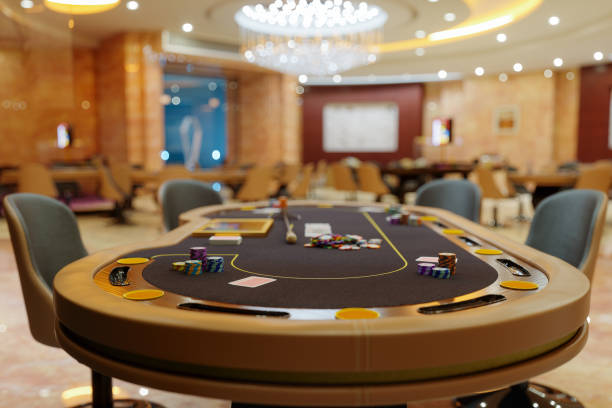
This psychological phenomenon can lead to what is known as the “gambler’s fallacy,” where players believe that past outcomes can influence future results. For instance, a player may think that after several losses, a win is due, thus intensifying their commitment to the game. Understanding this mindset is crucial, as it highlights how casinos design their games to exploit these psychological tendencies, encouraging players to keep betting in hopes of that elusive big win.
The Role of Cognitive Biases
Cognitive biases significantly impact how individuals perceive their chances of winning at the casino. One common bias is the “illusion of control,” where gamblers believe they can influence the outcome of games that are purely based on chance. This belief often leads players to engage in rituals or superstitions, such as wearing lucky clothing or performing specific actions before placing a bet. Such behaviors can offer a false sense of security, as players convince themselves that their actions can change the odds.
Moreover, confirmation bias can play a role, where individuals focus on wins while conveniently overlooking their losses. When a player wins, they may attribute the success to their skill or strategy. Conversely, a loss might be dismissed as a result of bad luck. This skewed perception reinforces the gambler’s belief in their ability to win, which can lead to compulsive gambling behavior and increased financial risks.
The Influence of Environment and Social Factors
The casino environment is meticulously crafted to enhance the gambling experience, contributing to a player’s psychological state. Bright lights, engaging sounds, and the thrill of fellow gamblers contribute to a sensory overload that excites and stimulates players. This immersive atmosphere can encourage longer periods of play, as players become enveloped in a world that promotes risk-taking and excitement. The lack of windows and clocks further disorients players regarding time, often leading them to lose track of their gambling duration.
Social factors also play a crucial role in gambling psychology. Many individuals visit casinos in groups or with friends, where the collective excitement can amplify the desire to gamble. The presence of others can create a sense of community and shared experience, reinforcing the thrill of betting. This social dynamic can lead to increased wagers and risk-taking behavior, as players feel emboldened by the company of their peers, further enhancing the probability of impulsive decisions that can lead to significant losses.
The Impact of Emotion on Decision-Making
Emotions significantly influence decision-making in a casino setting. Many gamblers enter casinos with a range of emotions, from excitement to stress, often impacting their betting behavior. Players experiencing positive emotions may take higher risks, believing that their good mood will lead to favorable outcomes, while those feeling negative emotions might chase losses in a bid to regain control or alleviate their stress, often resulting in deeper financial issues.
This emotional rollercoaster can cloud judgment, leading to impulsive bets and reckless gambling. Understanding the emotional underpinnings of gambling behavior is vital; it underscores the importance of maintaining a healthy mindset and recognizing when emotions drive decisions instead of reason. By fostering emotional awareness, players can mitigate the risks associated with gambling and make more informed choices.

Enhancing Your Skills through Knowledge and Education
Understanding the psychology of gambling can empower players to navigate the casino landscape more effectively. By educating themselves about cognitive biases, emotional influences, and the psychological tactics used by casinos, individuals can develop strategies to manage their gambling behavior. Whether it’s recognizing when to walk away or understanding the odds of various games, knowledge serves as a crucial tool in minimizing risks and maximizing enjoyment.
For those interested in furthering their understanding of gambling behaviors and improving their skills, platforms like New Horizons Learning Centres offer a variety of courses that provide insights into psychology, decision-making, and even financial management. Engaging with these educational resources can equip players with the tools they need to make better-informed choices, enhancing both their gaming experience and overall well-being while gambling.